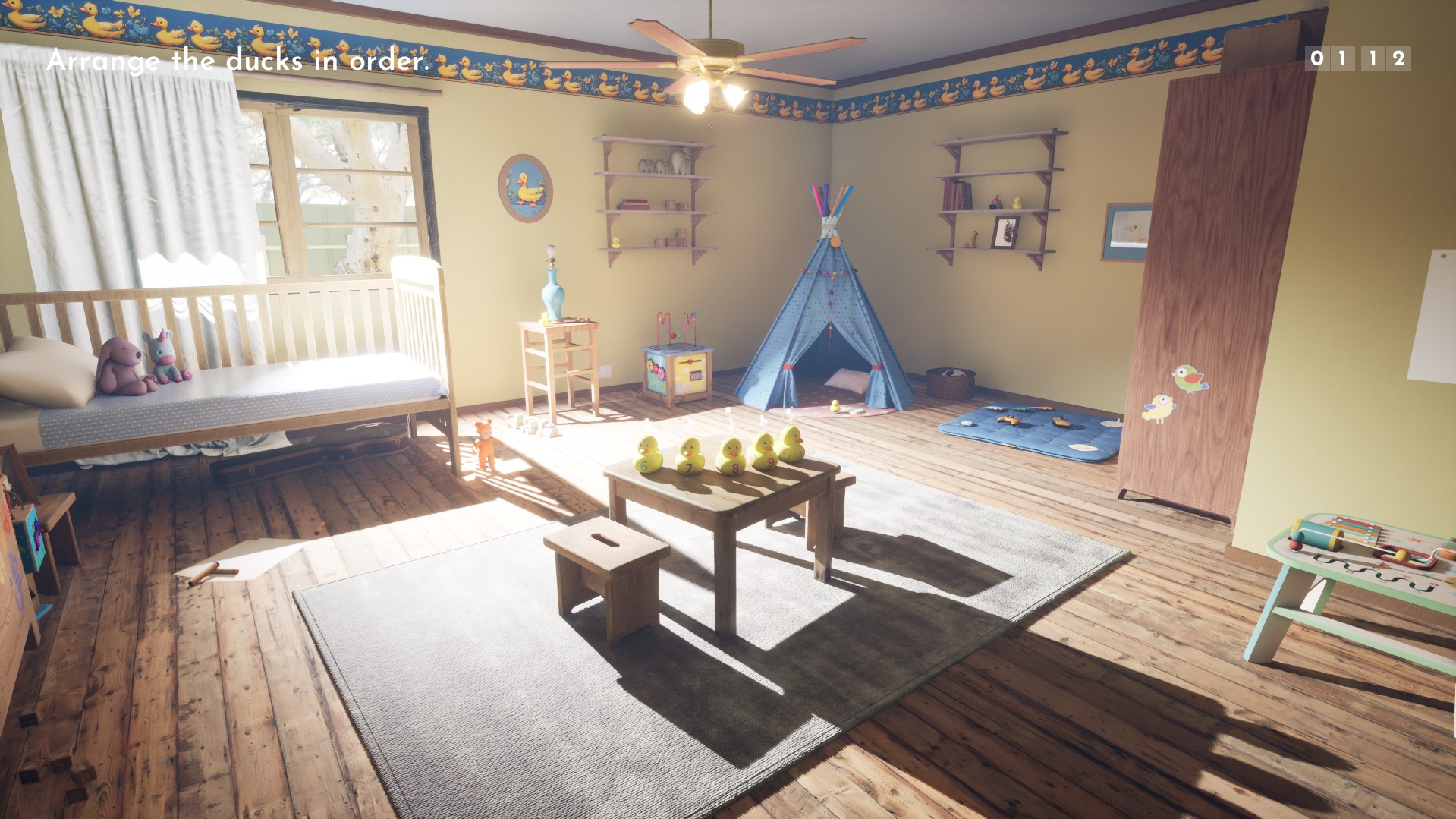
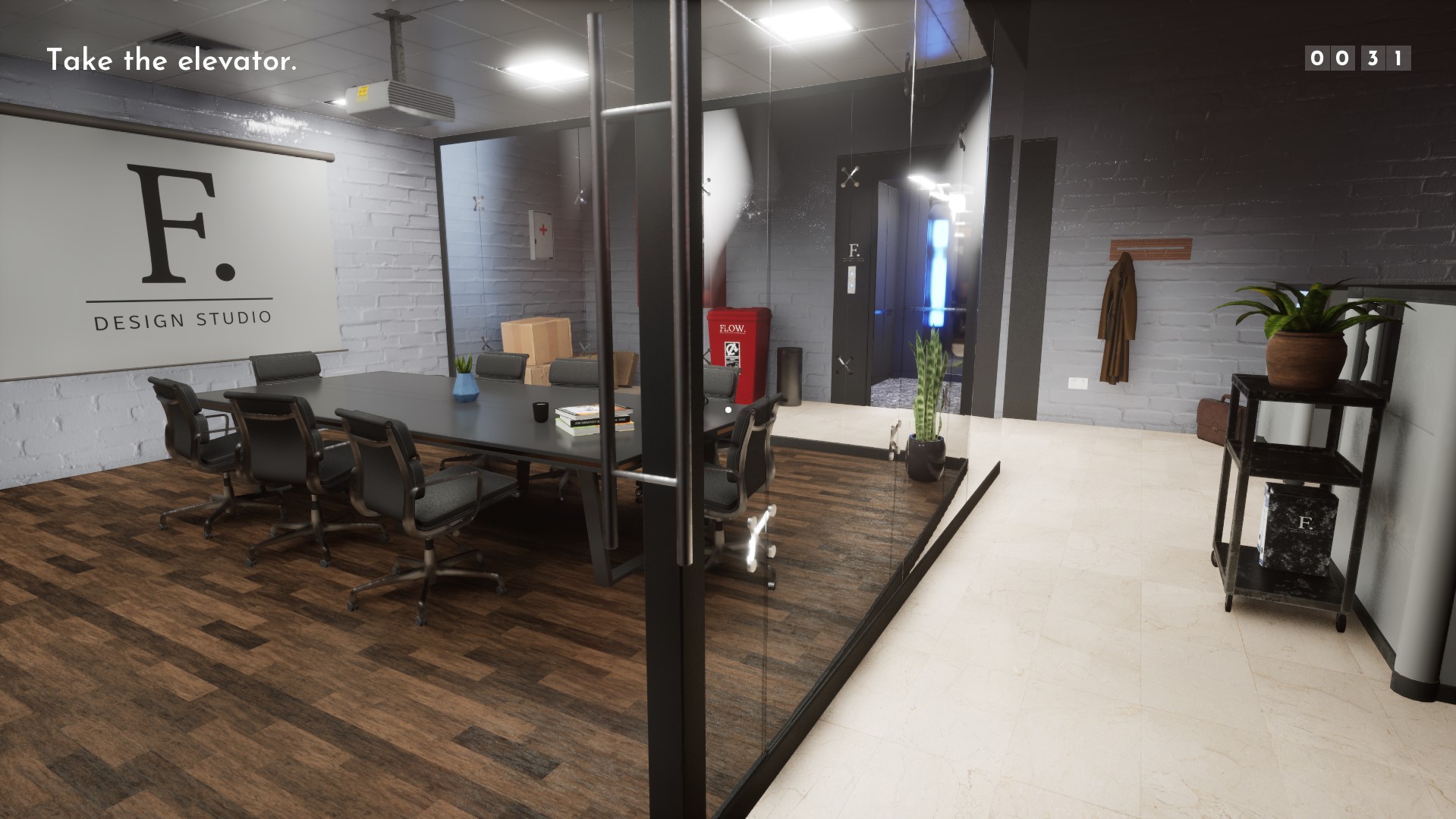
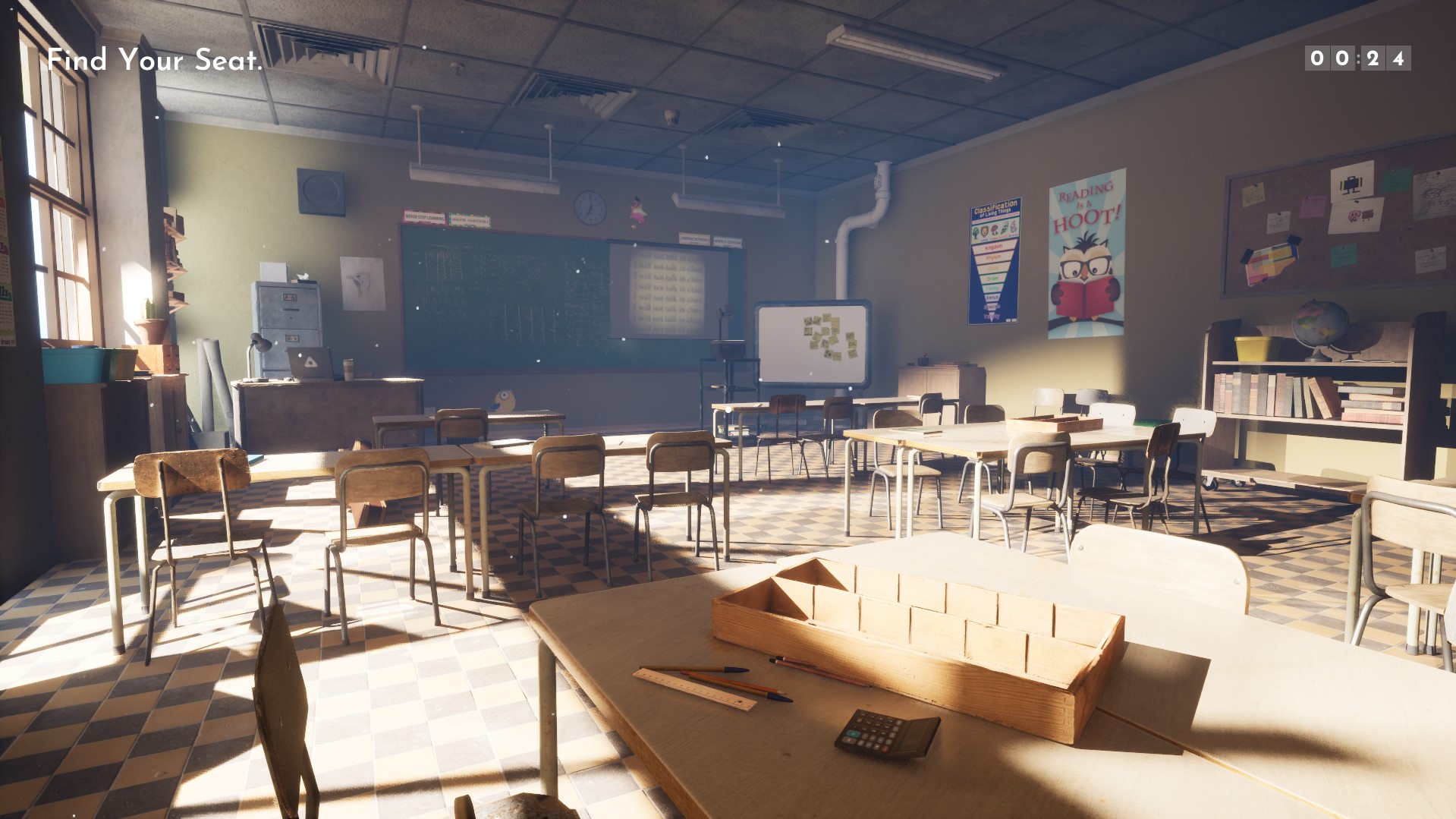
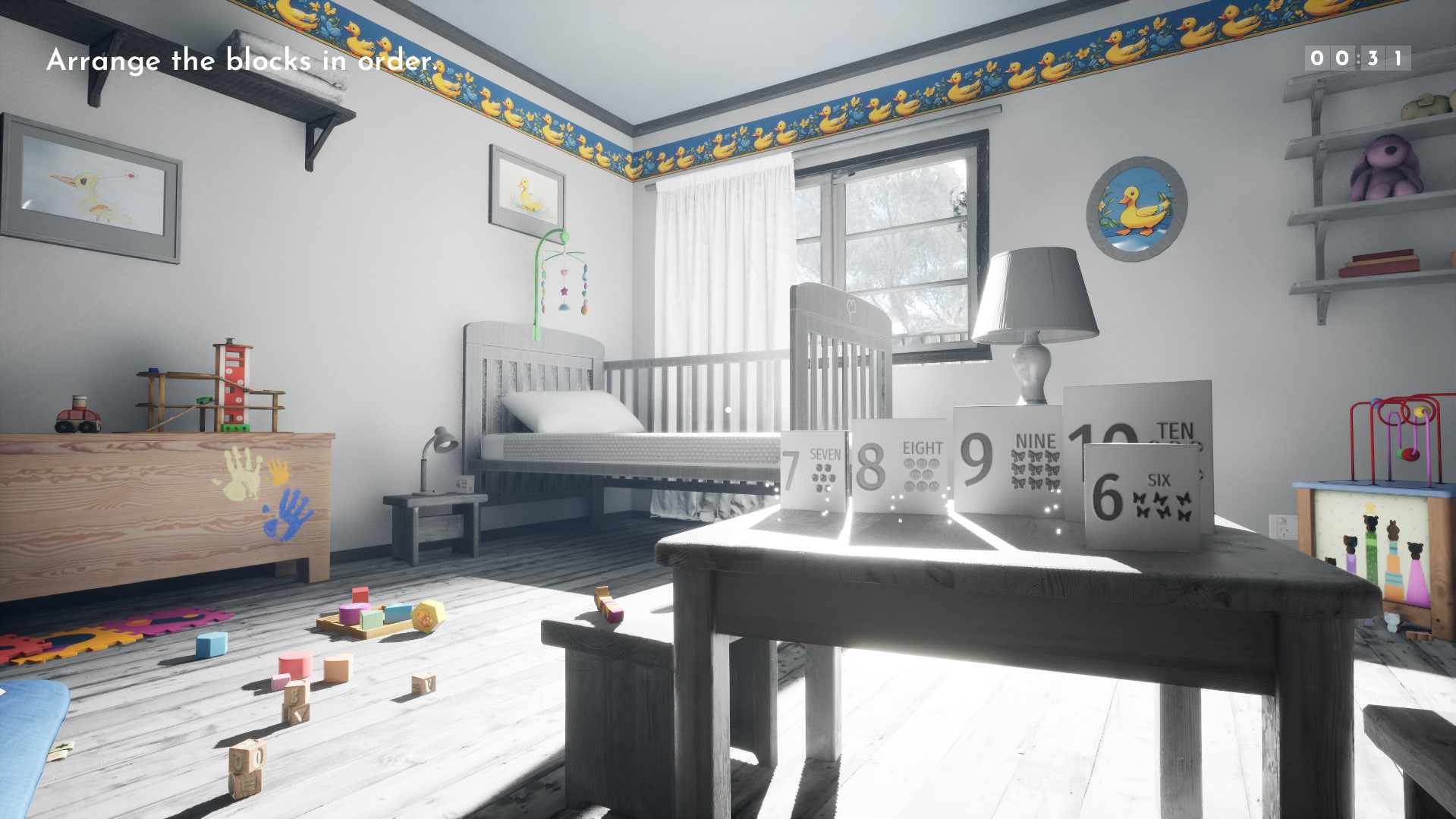
Life (Re)Sounding is a short game/interactive 5 track music album created using Unreal 5 and the MetaMidiToolkit. The game is designed to raise awareness of neurodiversity by encouraging players to engage with slices of life of a neurodivergent person thrust into a world that was built for neurotypical people.
Download Life (Re)Sounding: https://likeglassgames.itch.io/life-resounding
If you’re interested, you can watch this video that explores the development of the game and our goals for it.
New video game redefines the neurodiversity narrative. University of South Australia. 3 minutes, 42 seconds:
About Life (Re)Sounding:
Lack of understanding around the challenges faced by neurodivergent people contribute to Autistic people being 6 times more likely to commit suicide than their neurotypical counterparts. Through game design elements including mechanics, environments and dynamic audio, Life (Re)Sounding aims to put players into the shoes of a neurodivergent person, encouraging them to experience some of the ways that neurodivergent individuals are forced to navigate challenges that may not be apparent to the surrounding world and the complexities that come with this.
Whilst acknowledging that everyone’s lived experiences are different, Life (Re)Sounding is informed by the personal experiences of the design team, those close to them and academic research in this space. Through its design, Life (Re)Sounding aims to raise awareness of how hard it can be just to exist as a neurodivergent person, while also celebrating the transformative power of self-discovery and community connection.
Credits:
- Dr Susannah (Susie) Emery
- George Martin
- John Oestmann
- Josh McLean
- Alex Ferrabetta
Life (Re)Sounding is a project outcome of the Musical Automation in the Australian Games Industry project. This project has been assisted by APRA AMCOS and the Australian Government through Creative Australia, its arts funding and advisory body.


This project has also been financially supported by the University of South Australia.

 MetaMIDI Toolkit